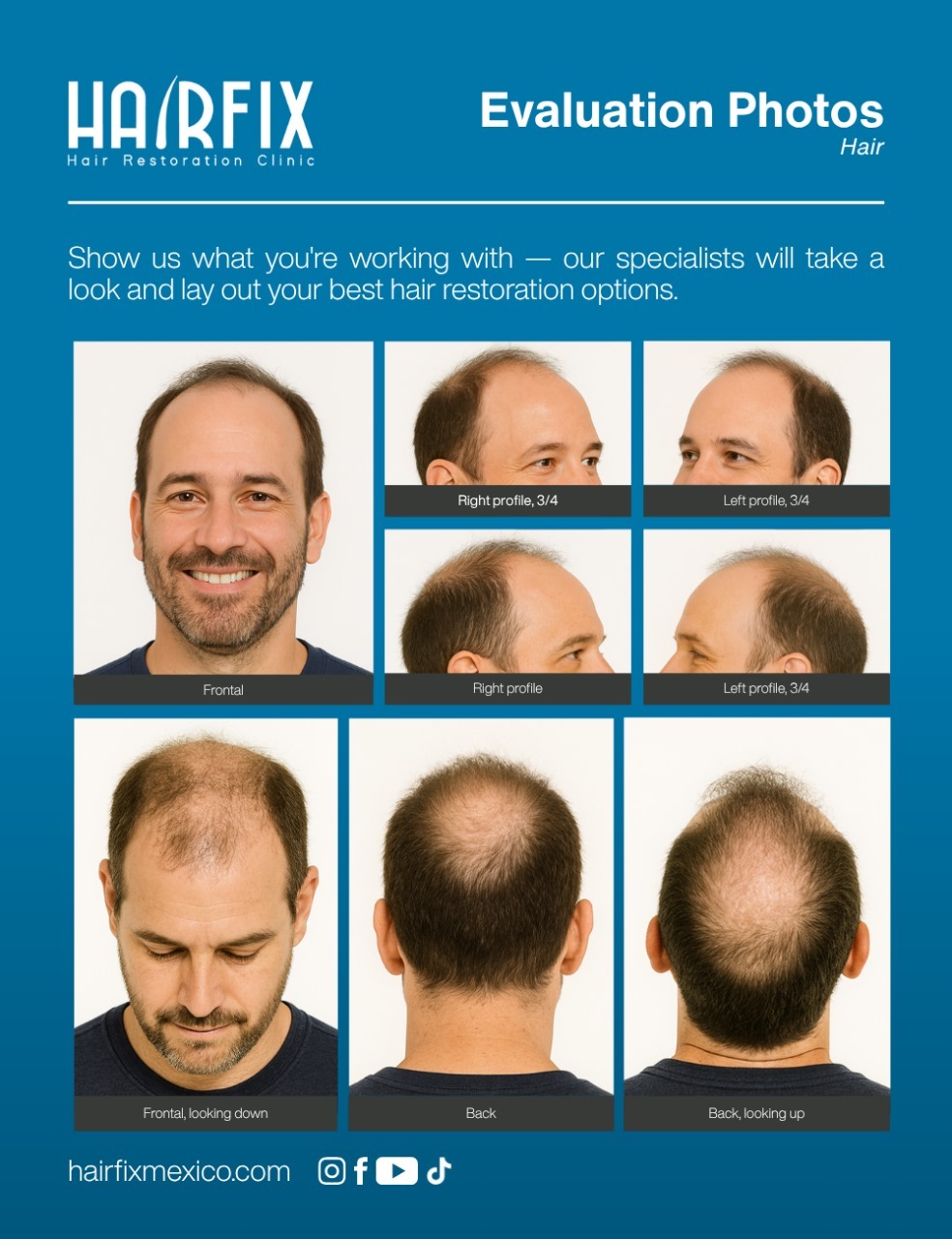

You have seen hair transplant results online and wondered, “Could that be me?” Before picturing your new hairline, check another area: the back of your head.
At Hairfix Mexico, understanding your donor area is a starting point for exploring your options. How much donor hair do you need for a hair transplant? There is no universal minimum. You need enough healthy follicles to improve coverage while keeping the area they come from looking natural.
What Is the Hair Transplant Donor Area?
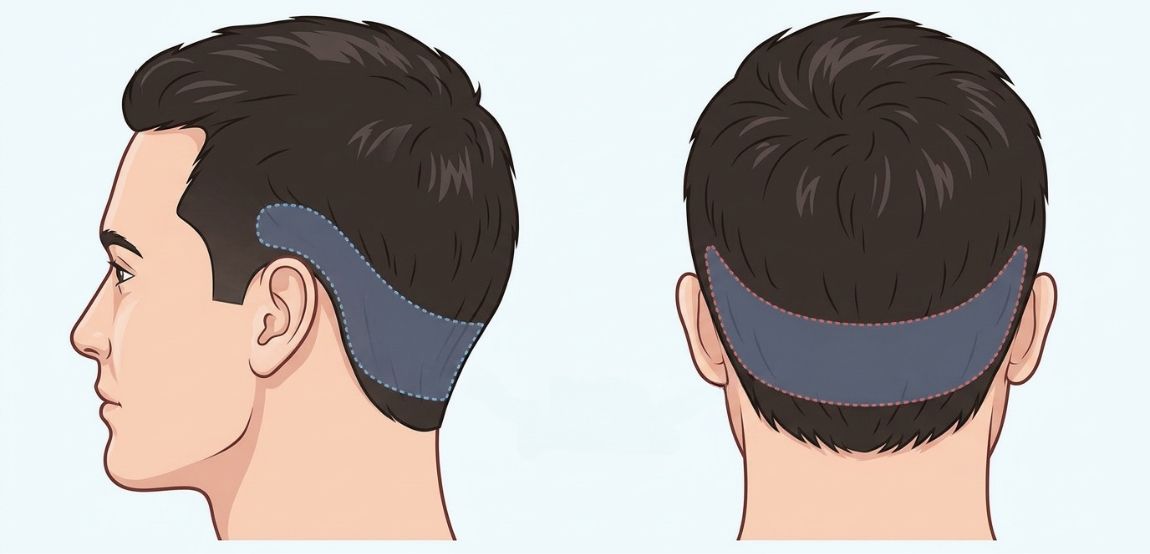
The donor area is usually at the back and sides of your scalp. Doctors select hair follicles from regions expected to resist male pattern hair loss and move them into thinning or bald areas.
Think of donor hair as a limited budget. A hair transplant redistributes existing follicles; it does not create new ones. Removed follicles do not grow back in their original location.
Protecting this supply matters as much as planning your new hairline.
How Many Hair Grafts Do You Need?
Your needs depend on the size of the area you want covered, your expectations, and how much donor hair can safely be collected.
Two men with similar hair loss may need different transplant plans because their donor hair differs in density and thickness.
A graft is a small piece of tissue containing one or more hair follicles that doctors move during a transplant. Grafts and individual hairs are different counts.
A receding hairline requires less coverage than extensive baldness. However, an online graft estimate cannot tell you whether your donor area can safely support your goals. That requires a medical assessment.
What Makes a Good Donor Area?
At Hairfix Mexico, a donor area evaluation helps determine whether your available hair can support a realistic transplant plan. Doctors consider several factors.
Density: Closely spaced follicles may provide more donor hair, but enough must remain to preserve coverage.
Thickness and texture: Thicker or curlier hair can make the scalp appear fuller than fine, straight hair. The contrast between your hair and skin color also affects visible coverage.
Stability: Hair that is becoming progressively thinner in the donor area may be less suitable for transplantation.
Previous transplants: Earlier procedures may have used some of your available donor supply.
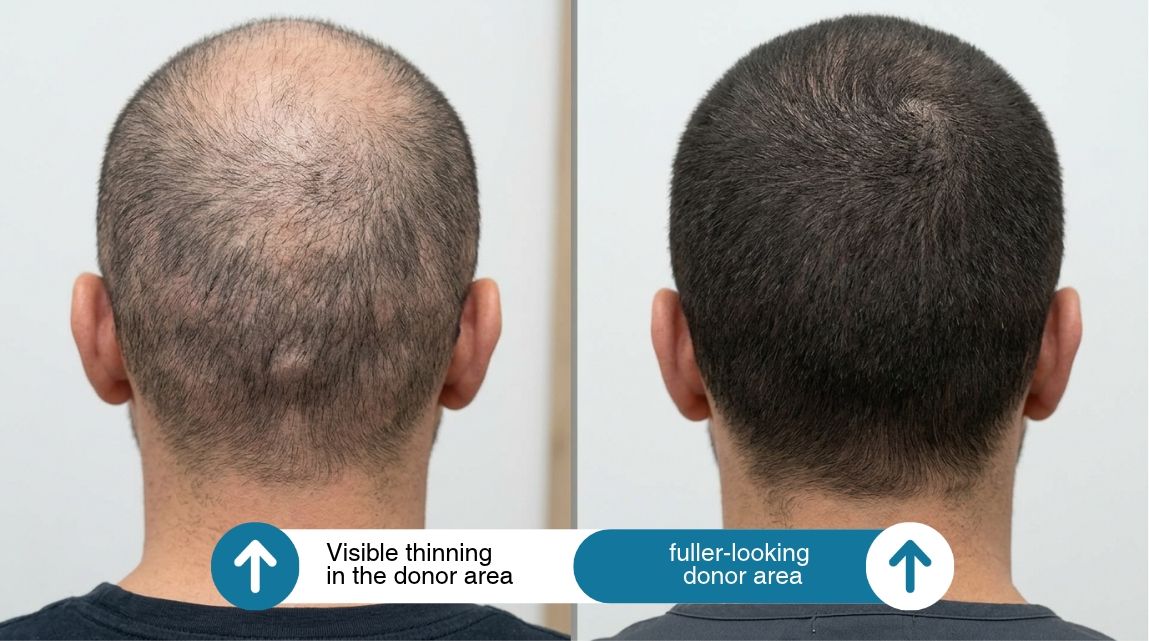
A full-looking donor area in a selfie does not automatically mean a large number of grafts can be safely collected.
Can You Be Too Bald for a Hair Transplant?
Extensive baldness does not automatically mean you cannot have a transplant. The concern is whether your donor supply can provide a worthwhile improvement across the area you want treated.
If you have very little hair on top and thinning at the back or sides, your options may be limited. This is a reason to seek an assessment, rather than decide your eligibility yourself.
Some men may be candidates for focused coverage, such as improving the front instead of covering every bald area. Others may not have enough suitable donor hair.
Taking too many follicles can leave the donor area visibly thin or patchy.
Why Does Future Hair Loss Matter?
A hair transplant does not stop your existing, nontransplanted hair from continuing to thin. Doctors must consider how your hair loss could progress and preserve donor options for later.
Depending on the cause and progression of your hair loss, a doctor may recommend treatment or monitoring before considering a transplant.
Planning ahead helps protect a limited donor supply and sets more realistic expectations.
Is Your Donor Hair Enough?
Ask your doctor how much hair can safely be collected, which areas can realistically be covered, and what future hair loss could mean for your results.
Clear photos of your hairline, crown, sides, and back can start the conversation. Photos alone cannot confirm candidacy.