
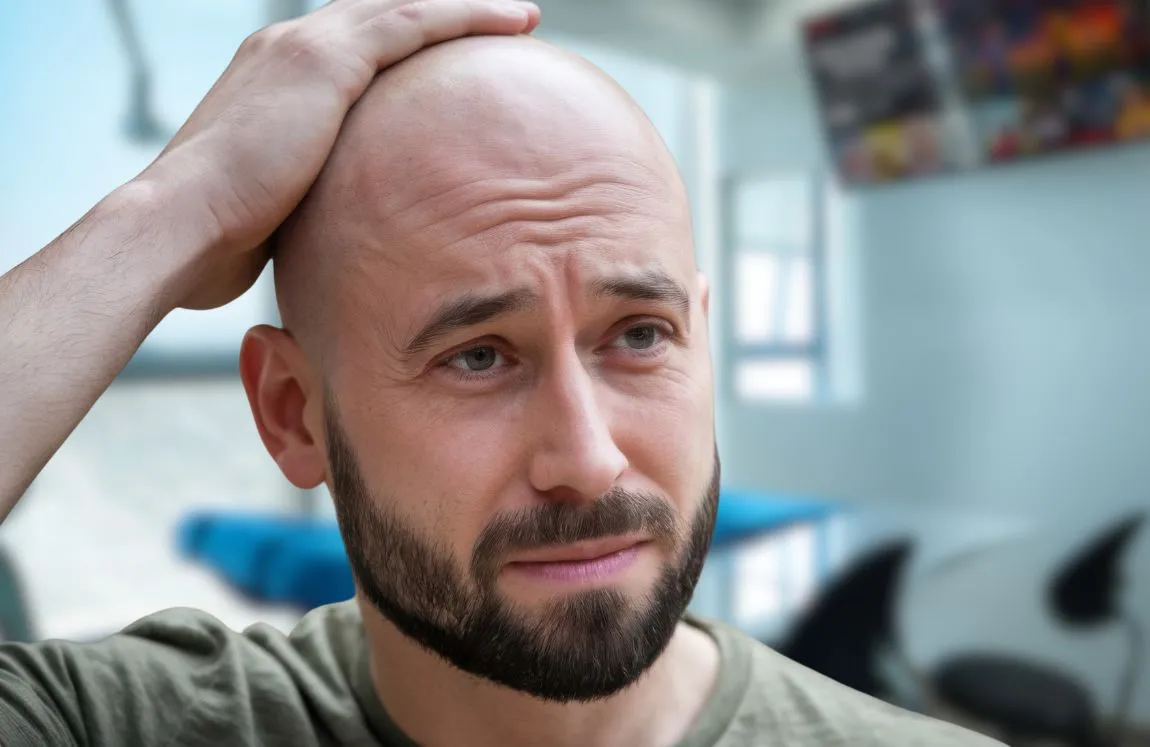
You were ready to picture a new hairline. Then came the answer: “A hair transplant is not recommended.”
It can be disappointing, but it does not automatically mean there is nothing else to explore. If you are not a candidate for a hair transplant, your next step is to understand the reason and consider treatments that fit your diagnosis.
A different approach may focus on maintaining existing hair, addressing ongoing thinning, or improving hair quality where treatment can help. The starting point is a personalized medical assessment.
Why Am I Not a Hair Transplant Candidate?
A transplant moves existing follicles into areas affected by hair loss. It needs enough suitable donor hair to create a worthwhile improvement while preserving coverage at the back and sides.
A limited donor supply, thinning within the donor area, or previous transplants can restrict what is possible. Scalp conditions and general health factors may also affect suitability.
Your goals matter, too. Available donor hair may not support the full coverage you hoped for.
Understanding which limitation applies helps you choose a treatment direction based on your current condition.
Can I Treat Hair Loss Without a Transplant?
For male pattern hair loss, a doctor may discuss topical minoxidil or prescription finasteride. Benefits, possible side effects, and the need for continued use should be reviewed individually.
These treatments cannot promise a full head of hair. The goal may be preserving existing hair rather than recreating your original density.
For example, someone with ongoing thinning may have different treatment goals from someone with extensive baldness and very little remaining hair. Your plan should reflect that difference.
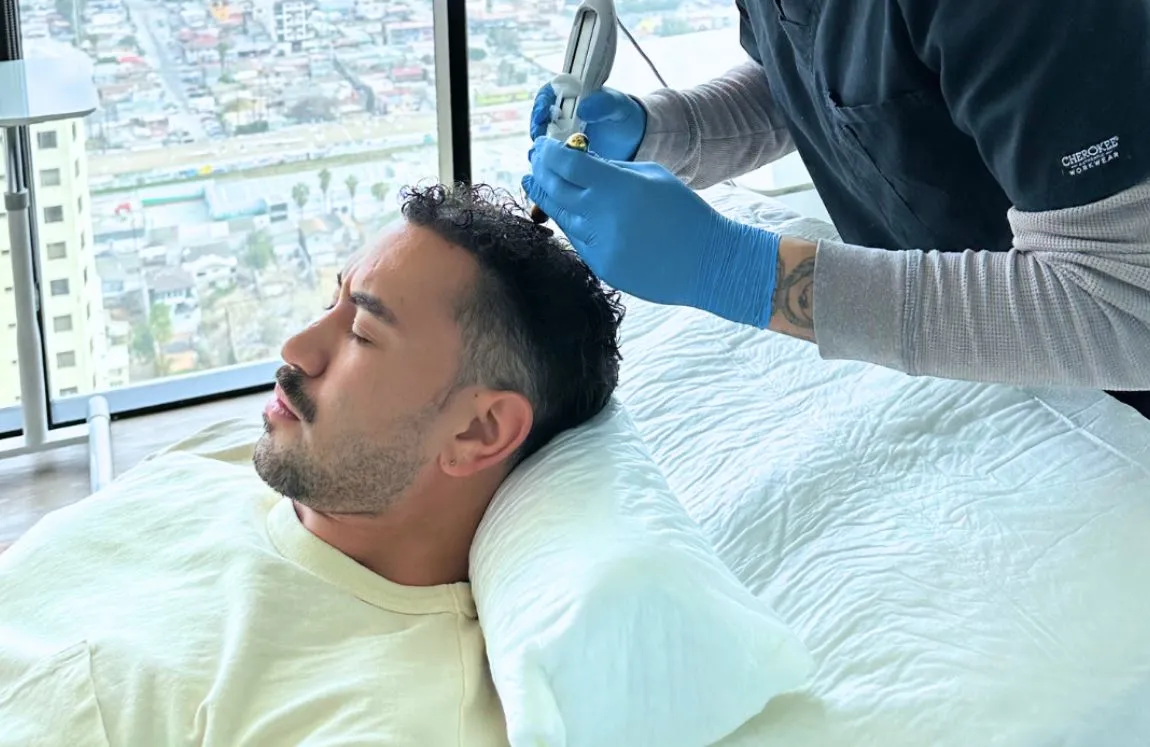
Could Hair Mesotherapy Be an Option?
Hairfix offers mesotherapy for hair loss. An assessment helps determine whether this approach fits your condition and which formulation may be considered.
Mesotherapy describes a delivery technique, rather than one standardized treatment. Evidence, potential benefits, and risks vary with the substances used, and further controlled studies are needed.
Before starting, discuss the ingredients, their purpose, the proposed session schedule, and how your individual response will be evaluated. Understanding the treatment helps you set expectations beyond the name of the procedure.
It should not be presented as a guaranteed way to restore an inadequate donor supply or produce complete coverage.
Explore a Personalized Hair Restoration Plan
An initial assessment helps establish whether a program is appropriate for your type of hair loss. Discuss which treatments are included, what each is intended to address, and how they relate to your diagnosis.
A useful plan connects each recommendation to a clear, realistic goal. That might involve discussing hair maintenance, the appearance of thinning, or changes in existing hair thickness, depending on your condition and the treatment selected.
Ask about visits, follow-up, maintenance needs, and costs so you understand the commitment before deciding.

Know What Progress Means for You
Consistent photographs can help structure follow-up discussions. Using similar lighting, angles, and hair length makes comparisons more useful.
Discuss when your doctor expects to assess your response and what the next review will cover. Avoid judging your progress against someone else’s photos or a different treatment plan.
Take the Next Step With Realistic Expectations
Contact Hairfix Mexico to request an evaluation and discuss whether mesotherapy or a personalized treatment program fits your hair loss and goals.
