
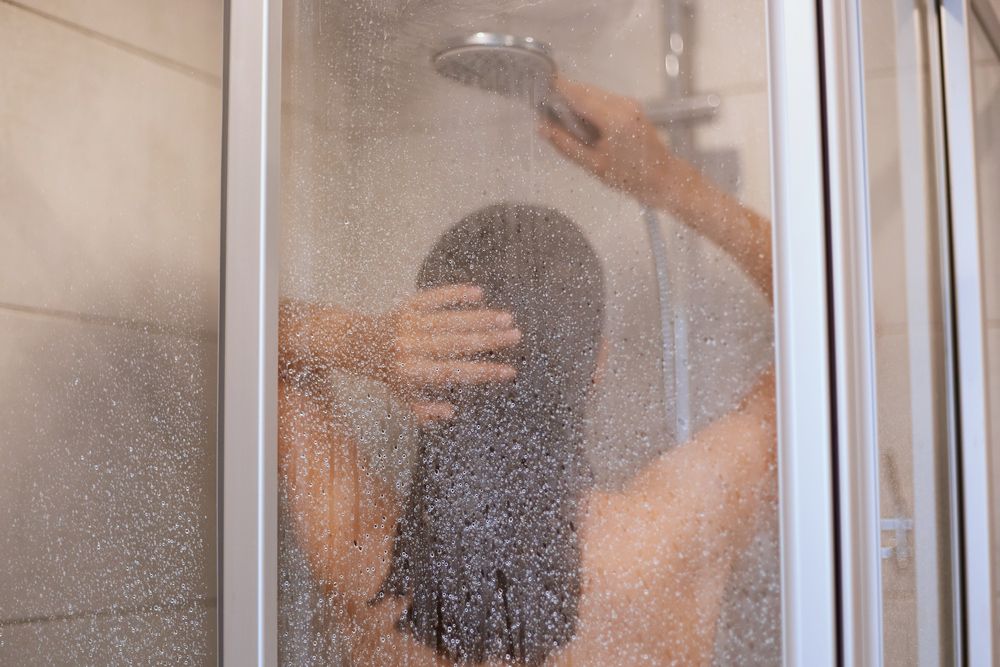
One of the most comforting pleasures of the day is taking a hot shower. That soothing warmth can relax your muscles, ease stress, and help you fall asleep. However, did you know that your hair might be getting damaged every time you shower?
As a hair restoration in Mexico specialist, I often see patients who invest in the best hair care products—masks to nourish the scalp, serums to fight frizz, conditioners to make detangling easier. Yet, without realizing it, they overlook a silent, everyday aggressor that sabotages their efforts: hot shower water.
In this article, I’ll explain why hot water can damage your hair as much as a flat iron or blow dryer. Plus, I’ll share practical tips so you can keep enjoying your beauty routine without compromising your hair’s health.
The Science Behind the Damage: Understanding Thermal Aggression
Many of my patients ask if hot water can cause hair loss. The short answer is yes—and here’s why.
Our hair has an outer layer made of keratin cells shaped like tiny scales that protect the inner layers: the cuticle. When the cuticle is healthy and “closed,” the hair looks shiny because it reflects light and retains moisture. But when it’s damaged, hair becomes dull, frizzy, and lifeless.
Hot water forces the cuticle open abruptly, exposing the cortex—the inner part of the hair fiber responsible for strength, elasticity, and color. That’s why when your hair is exposed to extreme heat, it becomes vulnerable to external aggressors… including your shampoo.
You might be wondering: “How can shampoo be harmful?” Think of it this way. Have you ever washed greasy pans with hot water to remove oil more easily? The heat dissolves lipids, making it easier to remove them, even with a gentle detergent and sponge.
The same happens to your hair. The heat from the water dissolves the natural oils (sebum) your scalp produces to protect the cuticle and keep it sealed. Once you strip away this protective layer, your hair loses its ability to retain moisture—becoming rough, porous, and dull.
But the damage doesn’t end there. Keratin is a fibrous protein that gives your hair strength and resilience. When you expose your strands to extreme heat, keratin denatures, weakening the fibers and making them prone to breakage during brushing—or even towel drying—which can make hair loss appear more severe.
In other words, hot water doesn’t pull hair out from the root, but it does contribute to hair loss by weakening the keratin.
Long-Term Consequences
If you occasionally go to the sauna or enjoy a hot shower after a long day, that’s perfectly fine. The problem arises when it becomes part of your daily routine.
Hot showers cause structural damage. When the cuticle stays too open and the natural oils are stripped away, hair loses its ability to retain essential moisture. The result? Dry, frizzy, and rough-textured strands.
If you color your hair, hot water becomes an even greater enemy. As mentioned before, heat dissolves not only the natural oils but also the pigments from your dye. This means your color fades faster, leaving your hair dull and lifeless in no time.
The Oily Hair and Hot Shower Paradox
Many of my patients tell me they shower with hot water daily because their hair is oily. Ironically, while heat dissolves oil, it also triggers the scalp’s sebaceous glands to “panic.” They interpret the lack of oils as a sign of dryness and produce even more sebum to compensate.
This overproduction of oil makes your hair feel greasy more quickly, leading to a vicious cycle: washing it more often, applying more dyes and conditioners, and feeling increasingly frustrated as your hair looks less vibrant each time.
Recommendations to Restore Hair Health
No, you don’t have to give up hot water entirely—but you should make a few simple adjustments to restore your hair’s strength and shine.
The Ideal Water Temperature
The best temperature for showering is between 36° and 37°C (96.8°–98.6°F), similar to your skin temperature—or slightly lower. Lukewarm water cleanses the scalp effectively without causing damage, while still rinsing shampoo thoroughly.
Here’s my tip: if you need a hot shower to relax your muscles, go ahead—but protect your hair with a shower cap.
The Perfect Washing Ritual
Follow these steps for optimal hair washing:
- Wet your hair with lukewarm water and apply shampoo.
- Gently massage your scalp with your fingertips (not your nails).
- Rinse thoroughly with lukewarm water until no residue remains.
- Apply conditioner or a mask and let it sit for a few minutes.
- Rinse with cool or lukewarm water to help seal the cuticle and lock in active ingredients.
What About the Blow Dryer and Flat Iron?
If you usually dry your hair with hot air, try switching to cold air. It not only prevents heat damage but also helps seal the cuticle, trapping in moisture and nutrients from your conditioner or mask. The result? Healthier, shinier hair.
The Ideal Washing Frequency
You shouldn’t wash your hair every day—especially if it’s dry or color-treated. Washing every two to three days is ideal, depending on your lifestyle.
For example, if you work out daily, washing your scalp each day is necessary to remove sweat, sebum, and product buildup. But if your hair is naturally dry, it’s best to wait up to three days between washes to allow your scalp to produce natural oils that keep it hydrated.
Visit Hairfix If You Need Extra Help
If you’ve made these changes and your hair still feels weak—or you’ve noticed your hairline receding—it’s time to schedule a consultation with us.
At Hairfix, we’re a hair restoration clinic dedicated to helping you recover the health, density, and vitality of your hair.