
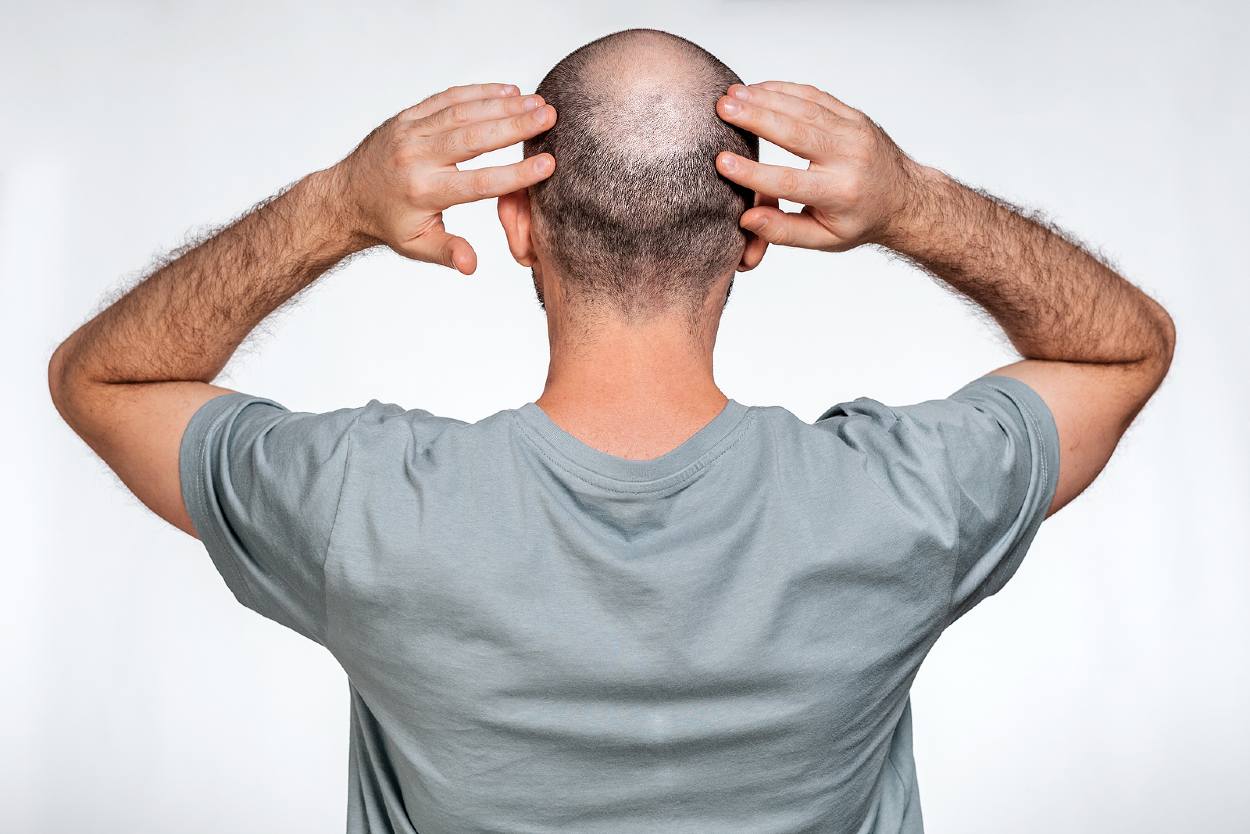
Hair loss is a concern that affects millions of people worldwide, impacting not only physical appearance but also self-esteem. In this context, hair transplantation has established itself as the most effective permanent solution. However, one of the most frequent questions we receive at our clinic is: Am I truly a good candidate for this procedure? Not all cases of baldness are solved the same way, and understanding the factors that determine surgical success is essential before making a commitment.
Types of Alopecia and Viability
The first step in determining candidacy is identifying the root cause of hair loss.
- Androgenetic Alopecia: This is the most common cause and where hair transplants offer the best results. Since it is a hormonal and genetic loss affecting specific areas, the transplanted follicles (which are resistant to these hormones) typically thrive in their new location.
- Cicatricial (Scarring) Alopecia: In these cases, hair is lost due to inflammation or damage that destroys the follicle and replaces it with scar tissue. If the disease is active, the graft will fail; however, if the condition has been controlled and stable for years, a transplant may be an option to cover the area.
- Alopecia Areata: Generally, this is not suitable for surgery, as it is an autoimmune condition where the body attacks its own follicles. In this case, treatment is usually medical rather than surgical.
The Ideal Age: When is the Right Time?
While there is no strictly “forbidden age,” stability is the key factor. Performing a transplant on very young patients (under 25 years old) carries the risk that alopecia will continue to progress behind the grafted area, creating an unnatural appearance over time. Ideally, one should wait until the hair loss pattern is clearly defined or has been stabilized through medical treatment. Patients between the ages of 30 and 50 usually present the most predictable scenario for a lifelong design.
The Pillar of Success: The Donor Area
A hair transplant does not “create” new hair; it redistributes it. Therefore, the quality and density of the donor area (usually the back and sides of the head) is the deciding factor. An ideal candidate possesses a donor area rich in healthy follicles with adequate hair fiber thickness. If the donor area is very poor or the area to be covered is too extensive (very advanced grades on the Norwood scale), expectations must be adjusted, as there will not be enough “material” to achieve full, dense coverage.
When is the Procedure NOT Recommended?
There are scenarios where the Hairfix medical team might advise against surgery:
- Unrealistic Expectations: If the patient seeks a density identical to their teenage years while having a limited donor area.
- Uncontrolled Systemic Diseases: Conditions that affect healing or general health.
- Active Shedding Phase: If hair is falling out massively and acutely, it must first be stabilized with hair medicine before considering the operating room.
Conclusion
A hair transplant is an investment in yourself. Determining if you are a candidate requires a thorough analysis of your medical history, hair quality, and personal goals. At Hairfix, we specialize in precise diagnostics to ensure that every patient achieves natural and long-lasting results. Through our specialized techniques, we transform lives by restoring not just hair, but confidence.